

Notice: Function _load_textdomain_just_in_time was called incorrectly. Translation loading for the amp domain was triggered too early. This is usually an indicator for some code in the plugin or theme running too early. Translations should be loaded at the init action or later. Please see Debugging in WordPress for more information. (This message was added in version 6.7.0.) in /home/1153080.cloudwaysapps.com/cprprqfuzz/public_html/wp-includes/functions.php on line 6131

Notice: Function amp_has_paired_endpoint was called incorrectly. Function cannot be called before services are registered. The service ID "paired_routing" is not recognized and cannot be retrieved. Please see Debugging in WordPress for more information. (This message was added in version 2.1.1.) in /home/1153080.cloudwaysapps.com/cprprqfuzz/public_html/wp-includes/functions.php on line 6131

Notice: Function amp_is_available was called incorrectly. `amp_is_available()` (or `amp_is_request()`, formerly `is_amp_endpoint()`) was called too early and so it will not work properly. WordPress is not currently doing any hook. Calling this function before the `wp` action means it will not have access to `WP_Query` and the queried object to determine if it is an AMP response, thus neither the `amp_skip_post()` filter nor the AMP enabled toggle will be considered. The function was called too early (before the plugins_loaded action) to determine the plugin source. Please see Debugging in WordPress for more information. (This message was added in version 2.0.0.) in /home/1153080.cloudwaysapps.com/cprprqfuzz/public_html/wp-includes/functions.php on line 6131

Notice: Function amp_has_paired_endpoint was called incorrectly. Function cannot be called before services are registered. The service ID "paired_routing" is not recognized and cannot be retrieved. Please see Debugging in WordPress for more information. (This message was added in version 2.1.1.) in /home/1153080.cloudwaysapps.com/cprprqfuzz/public_html/wp-includes/functions.php on line 6131

Notice: Function amp_is_available was called incorrectly. `amp_is_available()` (or `amp_is_request()`, formerly `is_amp_endpoint()`) was called too early and so it will not work properly. WordPress is not currently doing any hook. Calling this function before the `wp` action means it will not have access to `WP_Query` and the queried object to determine if it is an AMP response, thus neither the `amp_skip_post()` filter nor the AMP enabled toggle will be considered. The function was called too early (before the plugins_loaded action) to determine the plugin source. Please see Debugging in WordPress for more information. (This message was added in version 2.0.0.) in /home/1153080.cloudwaysapps.com/cprprqfuzz/public_html/wp-includes/functions.php on line 6131

Notice: Function amp_is_available was called incorrectly. `amp_is_available()` (or `amp_is_request()`, formerly `is_amp_endpoint()`) was called too early and so it will not work properly. WordPress is currently doing the `plugins_loaded` hook. Calling this function before the `wp` action means it will not have access to `WP_Query` and the queried object to determine if it is an AMP response, thus neither the `amp_skip_post()` filter nor the AMP enabled toggle will be considered. It appears the plugin with slug `google-analytics-for-wordpress` is responsible; please contact the author. Please see Debugging in WordPress for more information. (This message was added in version 2.0.0.) in /home/1153080.cloudwaysapps.com/cprprqfuzz/public_html/wp-includes/functions.php on line 6131

Notice: Function amp_is_available was called incorrectly. `amp_is_available()` (or `amp_is_request()`, formerly `is_amp_endpoint()`) was called too early and so it will not work properly. WordPress is currently doing the `plugins_loaded` hook. Calling this function before the `wp` action means it will not have access to `WP_Query` and the queried object to determine if it is an AMP response, thus neither the `amp_skip_post()` filter nor the AMP enabled toggle will be considered. It appears the plugin with slug `google-analytics-for-wordpress` is responsible; please contact the author. Please see Debugging in WordPress for more information. (This message was added in version 2.0.0.) in /home/1153080.cloudwaysapps.com/cprprqfuzz/public_html/wp-includes/functions.php on line 6131
ESTATUA DE 4.300 AÑOS AVALA EL RELATO BÍBLICO DE LA CONQUISTA DE CANAÁN – Impacto Evangelístico
Deprecated: Creation of dynamic property OMAPI_Elementor_Widget::$base is deprecated in /home/1153080.cloudwaysapps.com/cprprqfuzz/public_html/wp-content/plugins/optinmonster/OMAPI/Elementor/Widget.php on line 41

ESTATUA DE 4.300 AÑOS AVALA EL RELATO BÍBLICO DE LA CONQUISTA DE CANAÁN

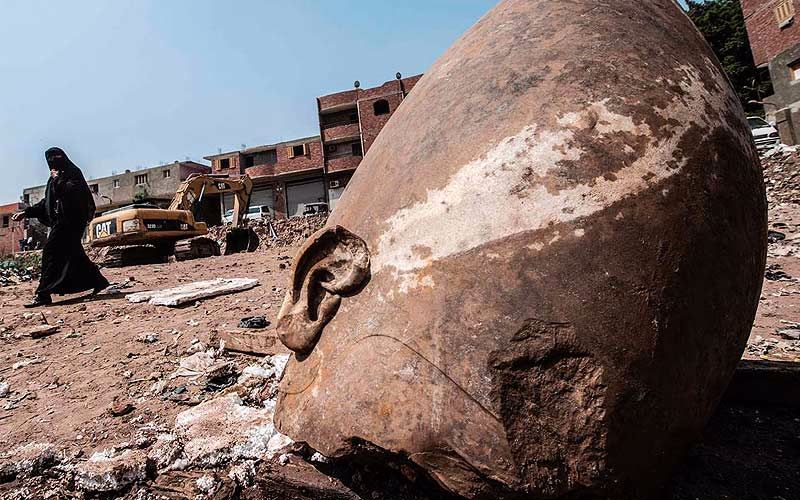
Los arqueólogos han determinado que una estatua de 4.300 años de antigüedad, de un faraón egipcio, apoya la autenticidad de uno de los pasajes del relato bíblico de la conquista de Canaán.

2 Min lectura

La escultura -hallada en Jasor, al norte de Israel y reconstruida en 1995- sería una evidencia de la batalla del pueblo judío contra Jabín, rey de Canaán.

Dimitri Laboury, de la Fundación Nacional de Investigación Científica de Bélgica, señala la ubicación del hallazgo arqueológico como el lugar donde se llevaron a cabo los hechos descritos en el pasaje del libro de Josué en el capítulo 11, versículos 10 y 11, donde se describe la destrucción de la ciudad de Jasor a manos de las tropas israelíes lideradas por el propio Josué.
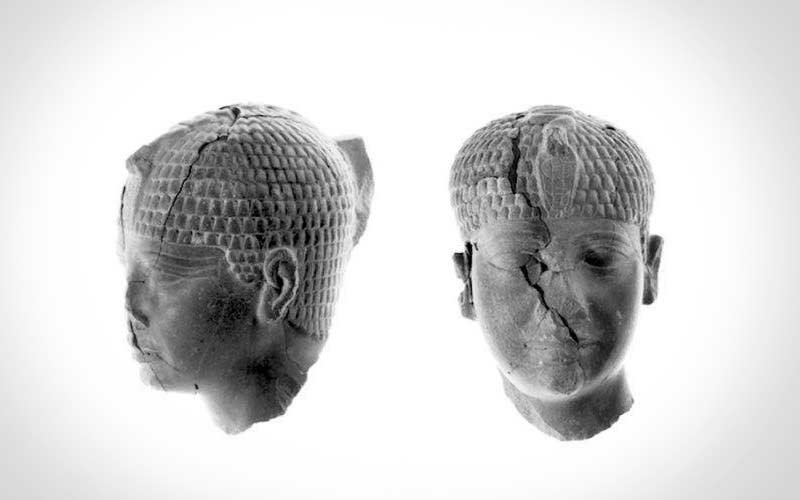
El egiptólogo indica que no sólo coincide el lugar, sino que además la estatua fue destruida hace unos 3.300 años, aproximadamente en el mismo periodo de tiempo en que habrían ocurrido los mencionados sucesos bíblicos relatados en el libro de Josué.

«Las grietas indican que la nariz se había roto y que la cabeza se separó del resto de la escultura antes de ser destrozada», indicó Laboury, coautor de este reciente estudio arqueológico sobre la cabeza encontrada de un faraón egipcio sin identificar. «Curiosamente, ninguna otra parte de la estatua original fue recuperada en el sitio», agregó, según reporta

Live Science. Los restos fueron encontrados en el mismo complejo arqueológico donde fueron halladas otras estatuas egipcias, incluyendo una encontrada en 2013 que tenía las garras de una esfinge.

«Las grietas indican que la nariz se había roto y que la cabeza se separó del resto de la escultura antes de ser destrozada», indicó Laboury, coautor de este reciente estudio arqueológico sobre la cabeza encontrada de un faraón egipcio sin identificar.

«Curiosamente, ninguna otra parte de la estatua original fue recuperada en el sitio», agregó, según reporta Live Science.

Los restos fueron encontrados en el mismo complejo arqueológico donde fueron halladas otras estatuas egipcias, incluyendo una encontrada en 2013 que tenía las garras de una esfinge.

Fuente: Protestante digital

[ruby_related total=3 layout=6]